SOCIAL MEDIA
Which platforms do you really need?
 BBCo StudioApr 28, 2026
Which social platforms your brand actually needs, and which to skip.

There is always another platform. A new one appears, a competitor joins it, and someone on the team asks whether the brand should be there too. The honest answer is often no. A brand that does three platforms well will usually beat one that does seven badly, and the real question is not where the audience is, but where your audience is ready to act.
“Being everywhere is not a strategy. Being useful in the right place is.”
– BBCo Studio
Start with the Customer, Not the Platform
Before choosing channels, we ask who the customer is, how they find brands like yours and what they want to see before they decide. A hotel, a software company and a fashion label can all be on Instagram, but they have different reasons to be there, and they will not use it in the same way.
The goal is to match the platform to a task, such as inspiration, trust or conversion, rather than to a habit.
What Each Platform Is Good At
These are the platforms we handle most often, and the role each one usually plays:
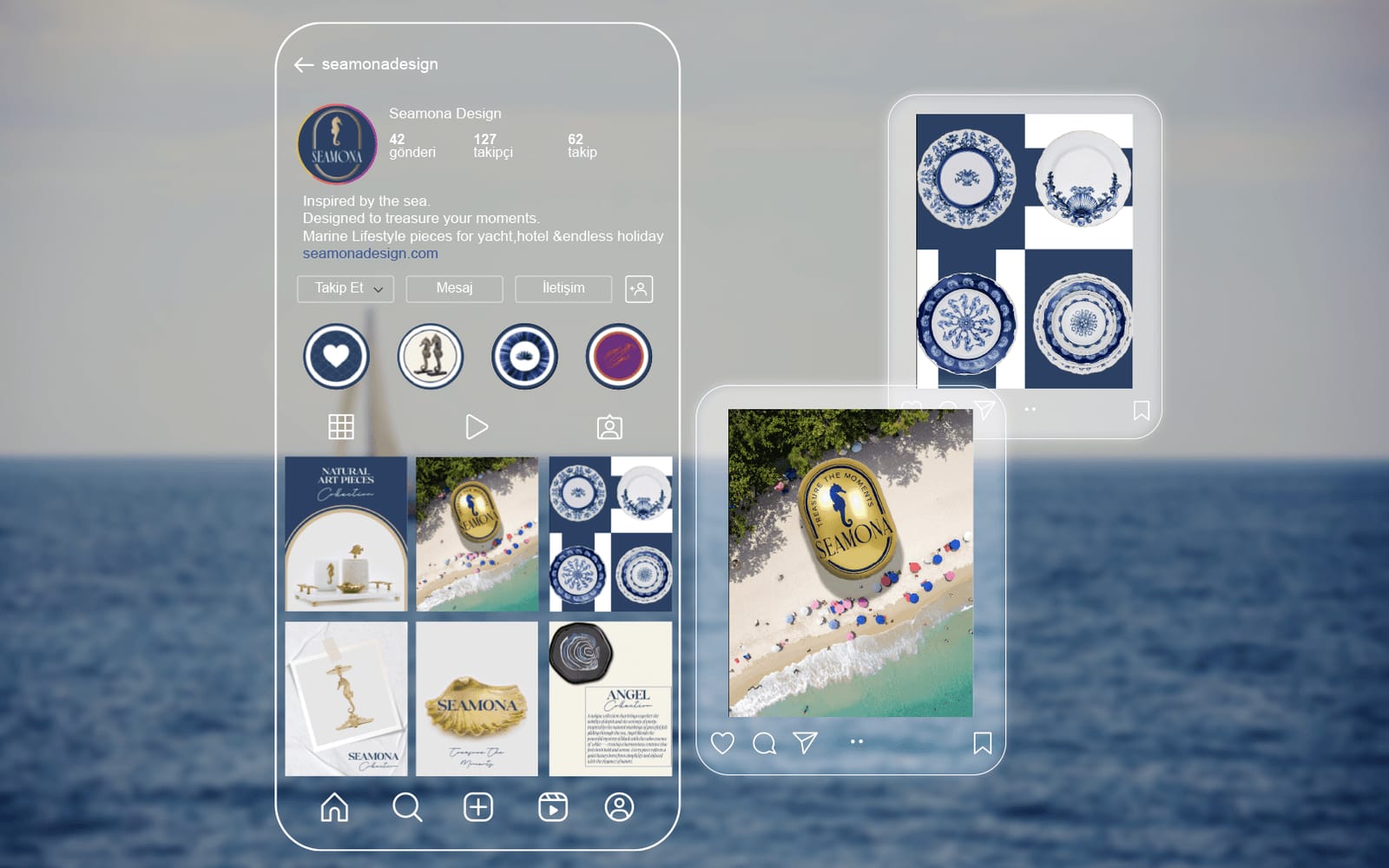
Instagram for visual brand building, product storytelling and community
TikTok for short vertical video and reaching people who do not know you yet
LinkedIn for B2B credibility, hiring and company news
Paid social on Meta, TikTok, LinkedIn and Pinterest for reaching defined audiences
Be Honest About Capacity
Every platform has its own formats, rhythm and expectations, and each one needs content made for it. A channel that is opened and then left quiet for weeks sends a worse signal than having no channel. Be realistic about how much good content the team can produce, and choose the number of platforms that fits.
It is perfectly acceptable to start with one or two, prove that they work, and add another later.
Organic and Paid Work Together
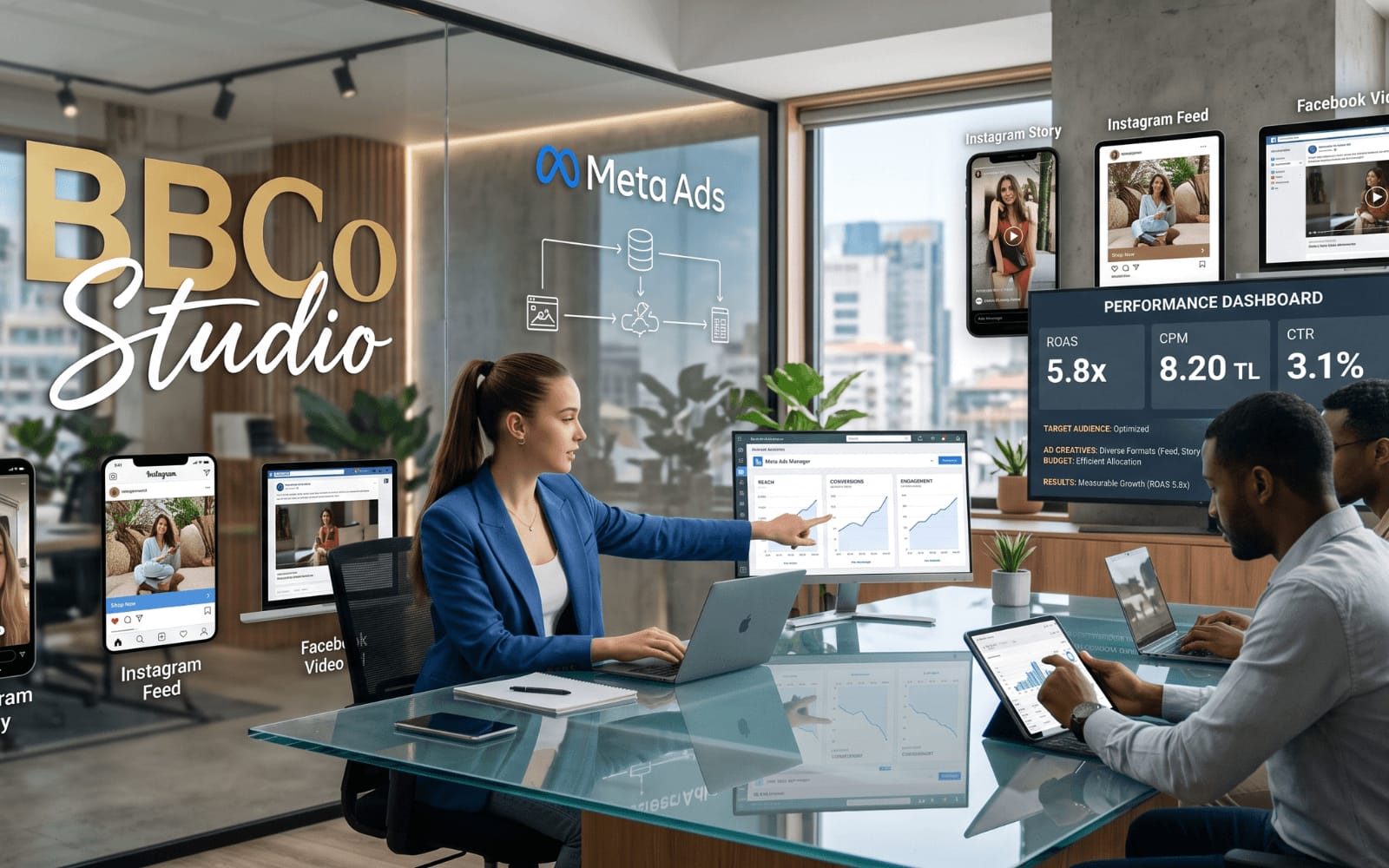
Organic posting builds the library of content and the credibility of the account. Paid social puts the best of that content in front of people who have not seen it. Treating them as one plan, rather than two budgets, means paid campaigns use proven creative and organic content gets more reach for the posts that matter.
Which Platforms to Skip
Skipping a platform is a decision, and it is worth making on purpose. Some good reasons:
Your customers are simply not there or not buying there
The content formats do not suit your product or service
The team cannot keep up a consistent publishing rhythm
Another platform already serves the same goal better
Conclusion
The right set of platforms is usually smaller than people expect. It is chosen by looking at the customer and the capacity of the team, not by following whatever is new this month.
Pick the platforms where you can be consistent and useful, do them properly, and review the choice every few months.