AI STUDIO
Localise ad films without reshooting
 BBCo StudioMar 19, 2026
Localising ad films for new markets with AI voiceover instead of a reshoot.
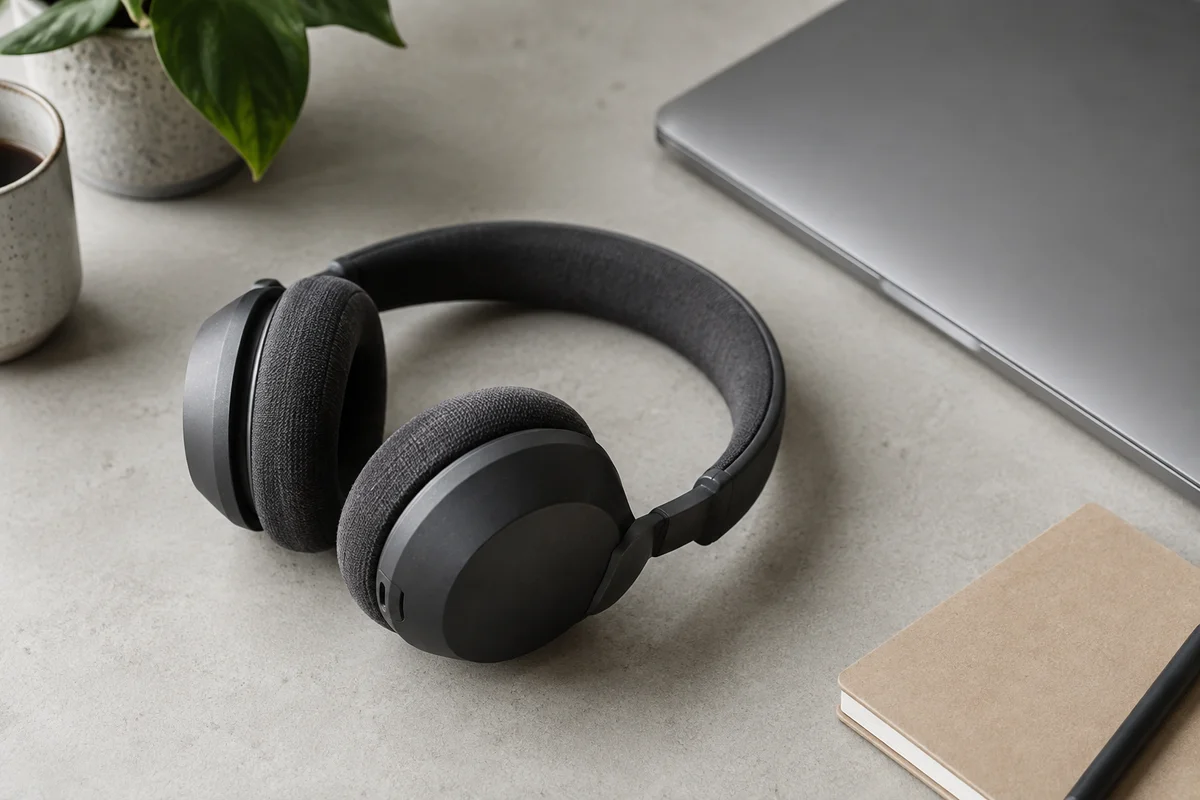
A good ad film is expensive to make, and it is a shame to use it in only one market. Reshooting for every language is rarely realistic. Replacing the voice and adapting the text on screen is often enough, and AI voiceover makes that practical for brands that would otherwise never localise at all.
“The picture travels. The voice has to be written for the place it lands.”
– BBCo Studio
What Localisation Actually Means
Translation is only the first step. A line that works in English may be too long in German, too formal in Turkish or simply odd in Arabic. Localising a film means rewriting the script so that it sounds natural and fits the timing of the existing edit, not converting it word for word.
That work is done by people who know the language and the market, with AI used for the voice itself.
The Languages We Work In
Our voiceover work currently covers these languages:
Turkish (TR) and English (EN)
German (DE) and Romanian (RO)
Arabic (AR), including right-to-left on-screen text
Further languages on request, depending on voice availability
How the Process Works
We begin with the original film and its script. A native speaker adapts the script for each market and checks it against the timing of the cut. The voice is then generated and reviewed, and the music, sound effects and on-screen text are adjusted to match. Each version goes through review before delivery.
Lip sync matters only if people speak on camera. For films with an off-camera narrator, the voice can change without anything visible changing.
Licences and Consent
Synthetic voices are not free of obligations. The voice used must be properly licensed for commercial use, and the brand should know exactly which voice it is using and for what. We record synthetic voice licences in the annex of the contract, so there is a written trail for each project.
If a real person's voice is to be cloned, that needs their clear, written agreement, and we would not proceed without it.
Where Reshooting Is Still the Better Choice
Voiceover is not a substitute for everything. A reshoot may be needed when:
People on camera need to speak the local language
The setting, props or clothing must change for the market
Cultural references in the story do not carry across
The film relies on a performance that a synthetic voice cannot give
Conclusion
For many brands, localising an existing film is the sensible first step into a new market. It costs less than a new production, it keeps the campaign consistent, and it lets you test a market before committing further.
Done carefully, with local scripts and clear licences, it can look and sound as if the film was made for each audience from the start.